Selimiye Mosque (St. Sophia Cathedral)
📍 Walled city (Suriçi), next to the Municipal Market, Nicosia
Famagusta's Lala Mustafa Pasha Mosque has greeted visitors with the same picture for years: a congregation lined up in prayer inside the body of a Gothic cathedral. Its sister in Nicosia dropped off those lists for a long while, because a restoration that began in 2019 kept hold of the building until 8 May 2025. Anyone touring Selimiye Mosque today therefore sees something different from the one in Famagusta: freshly repaired stone and a renewed interior. The rules at the door come from the fact that this is an active mosque, not a museum, and you need to factor that in when choosing your visiting hour. Even the name is not as old as people assume; the building only took its current name in 1954.
The Six-Year Restoration Ended on 8 May 2025
From what we found, the repair programme was run by Evkaf (the Cyprus Foundations Administration) with the support of Turkey's General Directorate of Foundations, and the work lasted roughly six years in total. The site worked intensively for the last four and a half of those years, and the scope was not kept narrow: seismic strengthening, stonework, dome repair and the interior all fell under the same programme. The reopening ceremony for worship was held at the same time as the collective opening for Foundations Week in Turkey. TRNC President Ersin Tatar, Prime Minister Ünal Üstel, Speaker of Parliament Ziya Öztürkler and Head of Religious Affairs Hakan Moral attended in person, while Turkish President Recep Tayyip Erdoğan joined via live link. Even so, pages still circulate online saying it is closed for restoration. That information dates from the 2019-2024 period and is now definitely out of date. Because those old pages still sit high in search results, it is worth checking the date stamp before you head to the door. A building that stayed closed for six years and reopened with a ceremony already tells you how heavy the repair was.
From Cathedral to Mosque
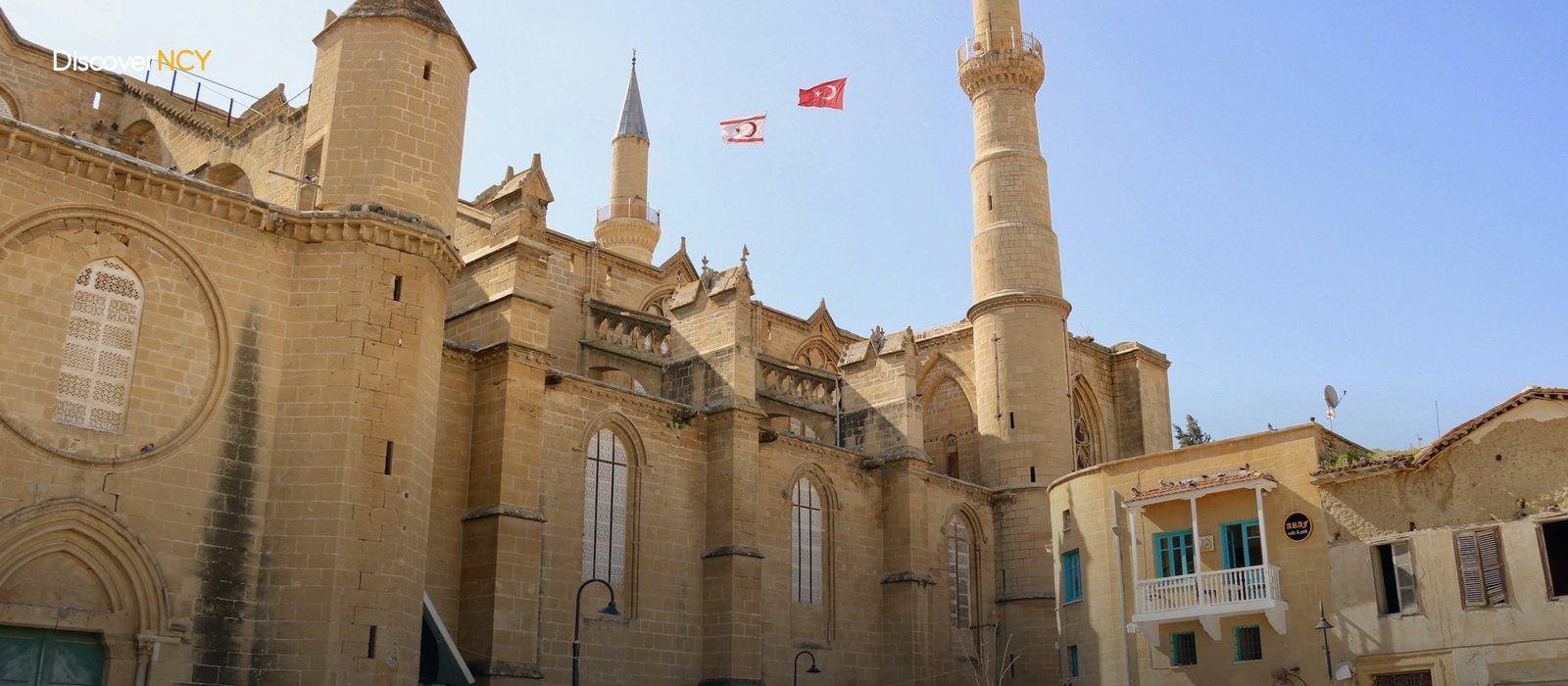
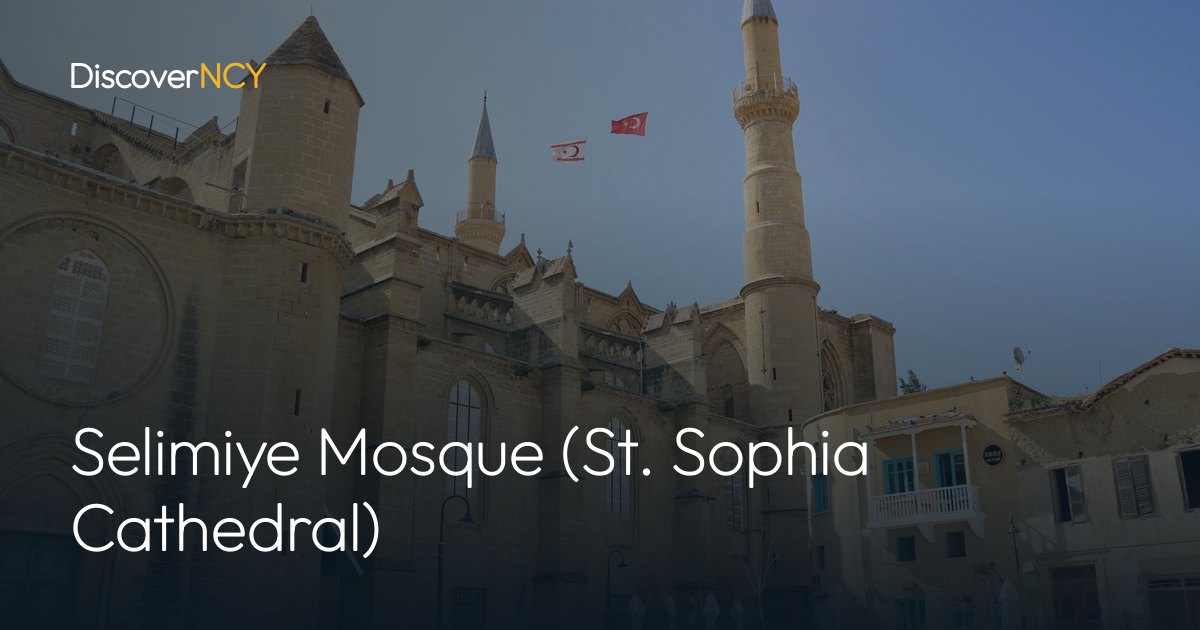
Construction began in the early 13th century under the Lusignan Kingdom, and the building was completed and ready for worship in 1326. So the body you see today is the product of a building site that stretched over roughly a century. The architectural choice is Gothic, and its kinship with Notre-Dame in Paris is plain to see. Since the Lusignan kings were crowned with the crown of Cyprus here, the building counts as a stage of state as much as a place of worship. After the Ottoman conquest of 1571 the cathedral was converted into a mosque and minarets were added, while the present name was only given in 1954. The "built in 1192" claim that appears on some news pages is an error that confuses it with the start of the Lusignan Kingdom on the island; architectural sources put construction at the start of the 13th century. And note that the Selimiye mosques in Edirne and Üsküdar that pop up in search engines have nothing to do with this building. Their construction dates and architects are entirely different, so any detail carried over from them builds a completely wrong story.
What Awaits You at the Door?
Is there a ticket desk waiting at the door? This is not a museum or an archaeological site. It is an active mosque outside the scope of the Department of Antiquities and Museums regulations, and the good news is that entry is free. That status also shapes your visit plan, because the congregation is inside at the five daily prayer times, and tourist entry is not appropriate then. Sources describe a daytime window running from morning to evening, but no official minute-by-minute timetable is published. As of September 2026, the surest method is to work out the gaps between prayer times and go then; the arrangement may also change in the coming months. The dress code, on the other hand, is clear. Shoes come off at the entrance, of course, shoulders and knees are covered, and bear in mind that women may also need a headscarf, so come prepared. It is worth carrying a light shawl with you, because whether loaner coverings are available at the door is not announced. Free entry here is not a tourism gesture; it simply shows that the building is still "the neighbourhood mosque".
Mihrab and Minbar Inside a Gothic Skeleton
The Gothic skeleton shows itself at first glance: pointed arches and a high ceiling set up a cathedral plan rather than a mosque plan. The mihrab and minbar were placed inside this skeleton later, and the two standing side by side show the building's two histories in a single frame. The conversion did not remain a historical footnote either; the residents of the walled city (Suriçi) still perform their daily prayers here today. Visitor interest confirms it too: the building is listed eighth among 275 places in Nicosia on Tripadvisor, with 707 reviews. Since the interior is a single volume, a short stop is enough for most visitors. In our eyes, what really takes time here is not the size of the body but looking for the traces of two religions on the same wall.
Stops Within Walking Distance in the Walled City
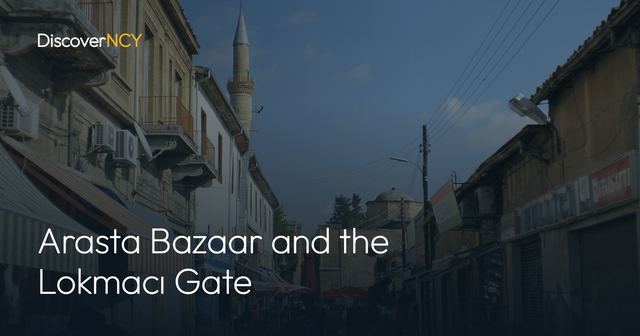
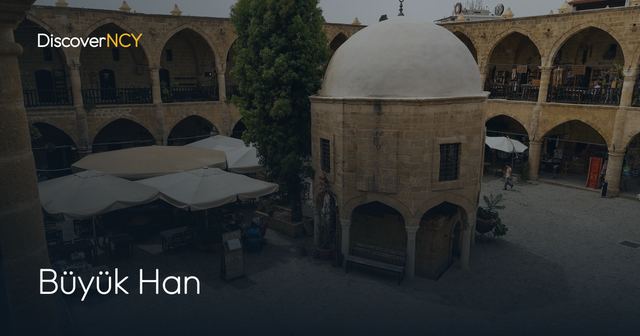
The building stands close to the geometric centre of the walled old town, and every stop around it is within walking distance. Kuyumcular Street and the Municipal Market are right next door, and from there you reach Büyük Han, the 1932 Bandabuliya and the market street of Arasta Bazaar in a few minutes. Kumarcılar Han, the Kyrenia Gate and the Mevlevi Tekke sit on the same line, and all of it fits comfortably into a single day's walk. Büyük Han's courtyard has art galleries and cafes, while Bandabuliya keeps its covered-market layout. So you will not have to hunt for somewhere to rest when you come out of Selimiye Mosque. Arasta Bazaar runs south towards the Lokmacı (Ledra Street) crossing, so when planning your route it is worth asking about the current situation at the crossing. Starting the sequence at the mosque is the practical choice: if you land on a prayer time, you wait in the nearby hans and come back.
Getting There from Ercan
The distance between Ercan Airport and Nicosia is roughly 23 kilometres. For those heading on to the Kyrenia side, the distance climbs to the 43-44 kilometre band. Because the streets of the walled city are narrow, pulling up to the door by car is difficult, and most visitors park outside the walls and walk in. No clear information is published on physical access details such as steps or wheelchair arrangements, so we make no firm claims on that point. Entry to Selimiye Mosque is free; you walk straight in through the door. And how long has it been open? Sources state it has been open since 8 May 2025, and no new closure notice has been published for October 2026.
| Field | Value |
|---|---|
| Former name | St. Sophia Cathedral (Hagia Sophia) |
| Current name | Selimiye Mosque (since 1954) |
| Location | Nicosia walled city (Suriçi), the old town inside the walls |
| Construction period | Lusignan Kingdom, early 13th century - 1326 |
| Architectural style | Gothic, influenced by Notre-Dame in Paris |
| Conversion to mosque | After the Ottoman conquest of 1571 |
| Latest restoration | 2019-2025, Evkaf and Turkey's General Directorate of Foundations |
| Reopening | 8 May 2025 |
| Entry fee | Free |
| Visiting hours | Daytime, except prayer times |
| Dress code | Shoes off, shoulders and knees covered, headscarf |
| Distance from Ercan | Roughly 23 km |
| Nearby stops | Büyük Han, Arasta Bazaar, Bandabuliya, Kumarcılar Han, Kyrenia Gate, Mevlevi Tekke |
| Tripadvisor ranking | 8th of 275 places in Nicosia, 707 reviews |
For the caravanserai a few minutes' walk away, see our Buyuk Han Nicosia page; for the market street running down to the crossing, the Arasta Bazaar page; and for a full day inside the walls, our Nicosia travel guide.