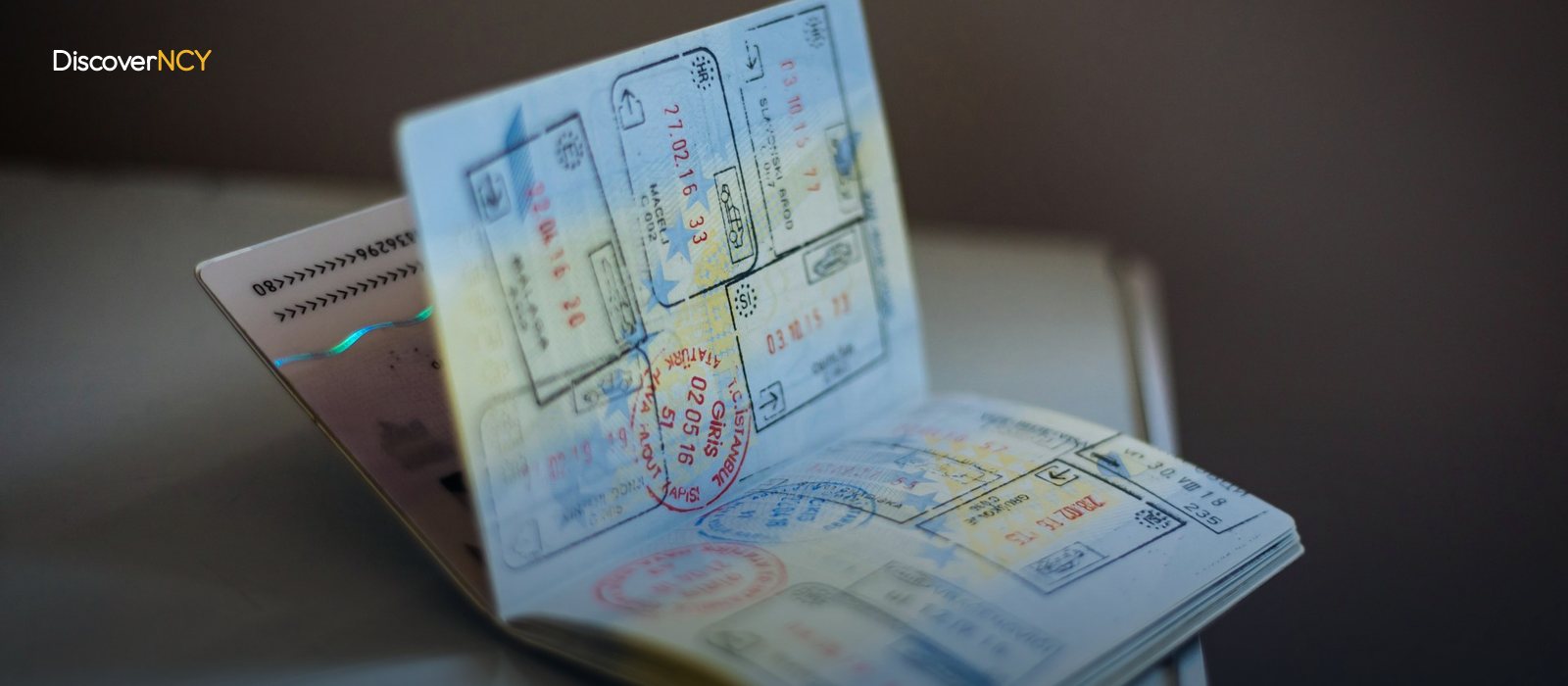
There are nine crossing points between the south and the north in Cyprus. Not all nine open to everyone. A tourist carrying an EU passport crosses in a few minutes; a Turkish Cypriot shows an ID card and walks through. For readers coming from Turkey with a chipped ID card or passport, however, all nine gates are closed: South Cyprus requires a visa, the only address issuing that visa is the embassy in Athens, and there's no representation taking applications in Turkey. In other words, the Cyprus crossing points are the daily route of foreign tourists and Cypriots. Below, gate by gate, is who uses which crossing and with what documents.
How the Green Line Was Born
The line's official name is the “United Nations Buffer Zone”. It is 180 kilometres long and covers 346 square kilometres. Its width drops below 20 metres in places and exceeds 7 kilometres at some points. It's monitored by the UN peacekeeping force UNFICYP. The line predates 1974. It began on 30 December 1963: British Major General Peter Young drew the ceasefire line onto the map that day, the pencil in his hand was green wax — and the line has carried that pencil's name for sixty years.
1974 made the line permanent across the island, and it stayed closed for nearly forty years. A decision in April 2003 relaxed the rules, and the first crossing to open was Ledra Palace. Lokmacı waited five more years. The barricade there had actually been erected during the 1963 clashes, the passage was sealed completely in 1974, and the gate reopened at nine on the morning of 3 April 2008, thirty-four years later. The remaining crossings were added one by one, years apart. How many are there? Older sources still say seven; the current count is nine, with Derinya and Aplıç the latest additions to the list.
Who Can Cross at Which Gate
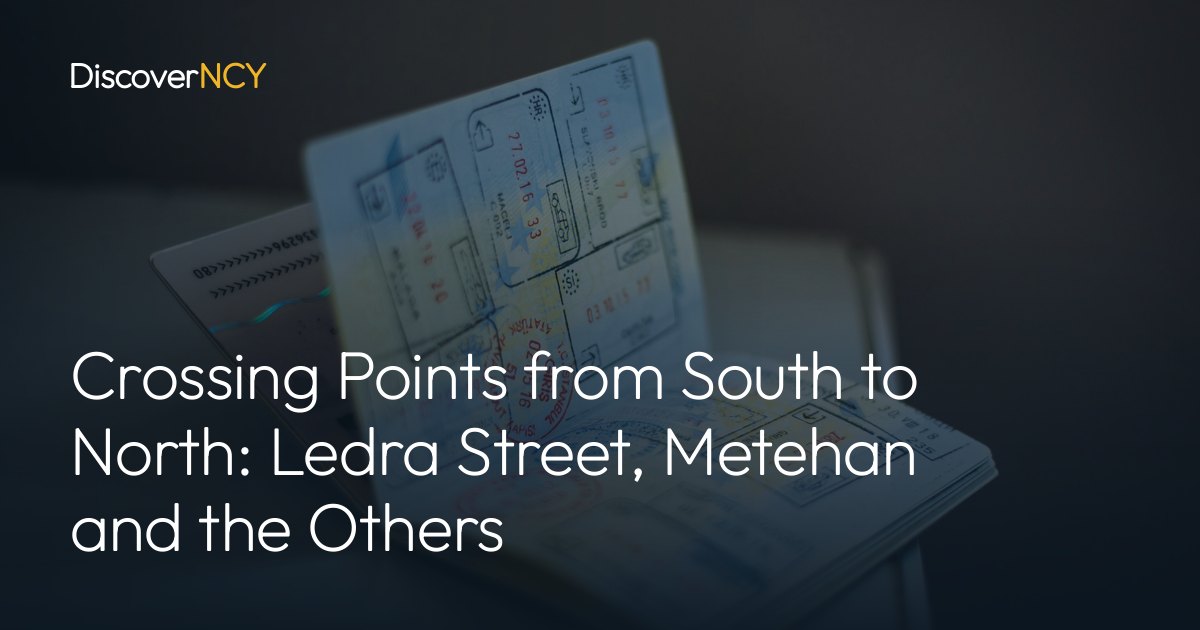
Cyprus entry rules come down to a simple principle: whether you can pass through the gate is determined by the document in your pocket. EU citizens have the right to free movement across the whole island and face no difficulty at the checkpoint. Passport holders from outside the EU can also cross — they just need to make sure their entry and exit stamps are complete. A stamp missing on one side can turn into an overstay question on the other. Turkish Cypriots cross with their ID cards; the EU's Green Line Regulation exists precisely to govern this movement.
For travellers from Turkey the picture changes. South Cyprus applies a visa requirement to Turkish citizens. The Foreign Ministry's page gives the embassy in Athens as the application address, and there's no representation handling this in Turkey. Even with a visa, a second obstacle remains. The South's official list contains two airports, Larnaca and Paphos, plus four seaports. Since Ercan is outside this list, a passenger who lands at Ercan has, in the South's records, never entered at all — and a visa doesn't change that. For foreign tourists, the clean route follows the same logic: entering via Larnaca, touring the north and returning the same way is trouble-free; the reverse direction is treated by the South as illegal entry.
The Nine Crossing Points
Lined up from west to east, the Cyprus crossing points look like this:
| Crossing | Location | Pedestrian / Vehicle | Note |
|---|---|---|---|
| Yeşilırmak | Westernmost, Lefke-Morphou (Güzelyurt) direction | Vehicles only | |
| Aplıç | South of Lefke | Vehicles only | |
| Bostancı | Between Morphou and Nicosia | Vehicles only | |
| Metehan (Agios Dometios) | Nicosia's western exit | Pedestrians + vehicles | The hub for insurance transactions |
| Ledra Palace | Nicosia, outside the walls | Pedestrians only | First crossing to open, April 2003 |
| Ledra Street (Lokmacı) | Nicosia walled city | Pedestrians only | Opened 3 April 2008 |
| Beyarmudu | Between Nicosia and Famagusta | Vehicles only | On the British Base Area boundary |
| Akyar | South of Famagusta | Vehicles only | Controlled by British Base Area police |
| Derinya | Famagusta-Ayia Napa direction | Vehicles (pedestrian access unconfirmed) |
If you want to cross on foot, head for Nicosia; the capital's three crossings carry all of the pedestrian traffic. We couldn't confirm whether Derinya is open to pedestrians.
Two of the vehicle crossings sit within another administration's territory. Beyarmudu stands on the boundary of the British Sovereign Base Area, while at Akyar the checks are carried out not by the South but by the base area's own police. The main artery for vehicle traffic is Metehan at Nicosia's western exit — of the nine crossings, the most vehicles pass through here.
The remaining two crossings belong solely to pedestrians, and both are in the capital. The Ledra Street crossing (Lokmacı) is inside the walled city, at the end of the Arasta; on the far side of the gate begins Ledra Street, pedestrianised since 1998. This is the crossing tourists hear about most often — we've covered the whole walled city in our Nicosia travel guide. Ledra Palace, meanwhile, sits outside the walls and took its name from the hotel beside it. The building, opened in 1949, passed to the UN after 1974 and served as a headquarters until 2019.
Crossing by Car and Insurance
The one unchanging rule at the Cyprus crossing points is insurance: the two sides' policies don't recognise each other. A car with southern plates entering the TRNC (North Cyprus) buys a policy at the gate — minimum one month, third-party only; according to 2024 data it cost around 120 euros a month. The procedure is the same in the opposite direction: a TRNC-plated car crossing south takes out its policy at the booth at the gate, and the hub for this business is Metehan. Can the policy be arranged in advance? It can't — it's bought at the booth. And the booth isn't 24/7. At the main crossing it operates 08.00-24.00; after midnight you can pass through the gate, but you'll be without a policy. For rental cars, the decision belongs to the firm. The small print of your contract says whether the car may cross the Green Line; some firms ban it outright, others require an extra policy. Anyone who finds out at the gate has to turn back.
Goods Limits and Stamps at the Land Crossing
Entering the TRNC through a land crossing, your goods allowance is far below that of an airport arrival. Schedule V of the TRNC customs regulation grants each person over eighteen 40 cigarettes, 1 litre of alcoholic drink and 135 euros' worth of non-commercial goods. A passenger landing at Ercan gets ten times that cigarette allowance. Don't mix up the two schedules — the details are in our Ercan duty free guide. There are limits in the southern direction too: the EU's Green Line Regulation draws its own framework for personal goods. The quantities allowed for cigarettes and alcohol are narrow there as well; the regulation's measure is personal use, not commercial. As for the stamp question, the TRNC immigration officer doesn't stamp your passport; the stamp goes on a separate slip. That's why the worry that "a TRNC trace will stay in my passport and I won't be able to enter another country later" finds no basis in practice.
When Is the Crossing Open
The crossing itself stays open at night; the only thing that closes is the insurance booth. In January 2025, shoppers heading south piled up at the gates, and the TRNC press covered those days; we've tabulated the price gap between the two sides in our North Cyprus or South Cyprus comparison. Crossings that flow easily on weekdays slow down on Saturdays and Sundays. Foreign tourists arriving via Larnaca turn this bustle to their advantage: coffee in the courtyard of the Büyük Han in the morning, a walk through the Ledra Street crossing in the afternoon and along Ledra Street itself, then back in the north by evening. They end up spending two currencies in a single day. For readers coming from Turkey, the itinerary begins in the north and ends in the north. For them, the list of Cyprus crossing points ends at the Ledra Street crossing: you can walk up to it and watch the crowd, but the document needed to join the queue isn't in your pocket.