Dive centres in Cyprus sell the try dive and the certification course as two separate products. Someone without a certificate, though, often assumes they are the same programme. A try dive is an introduction that stays shallow, depends on the instructor and ends after a single session; a course gives you a certificate at the end. The confusion comes from how low the entry bar is set: anyone aged ten or over can join PADI's "Discover Scuba Diving" programme, there is no upper age limit, and no previous diving experience is required. Both the number of days and the budget depend on which side of this divide you stand.
Can You Get in the Water Without a Certificate?
You can. The only paperwork required for a try dive is the health and fitness questionnaire you fill in before entering the water; the rest is the instructor's job, and you shoulder the equipment and follow them down. The age bar drops even lower on the children's side, with "Bubblemaker"-type introductory sessions offered for children aged eight and over. The durations and fees, however, are not the same. So it pays to say from the outset which one you want when writing to a centre, because the try dive has a clear limit, and that single session in no way counts as a certificate.
Nearly Twenty Sites on Either Side of Kyrenia
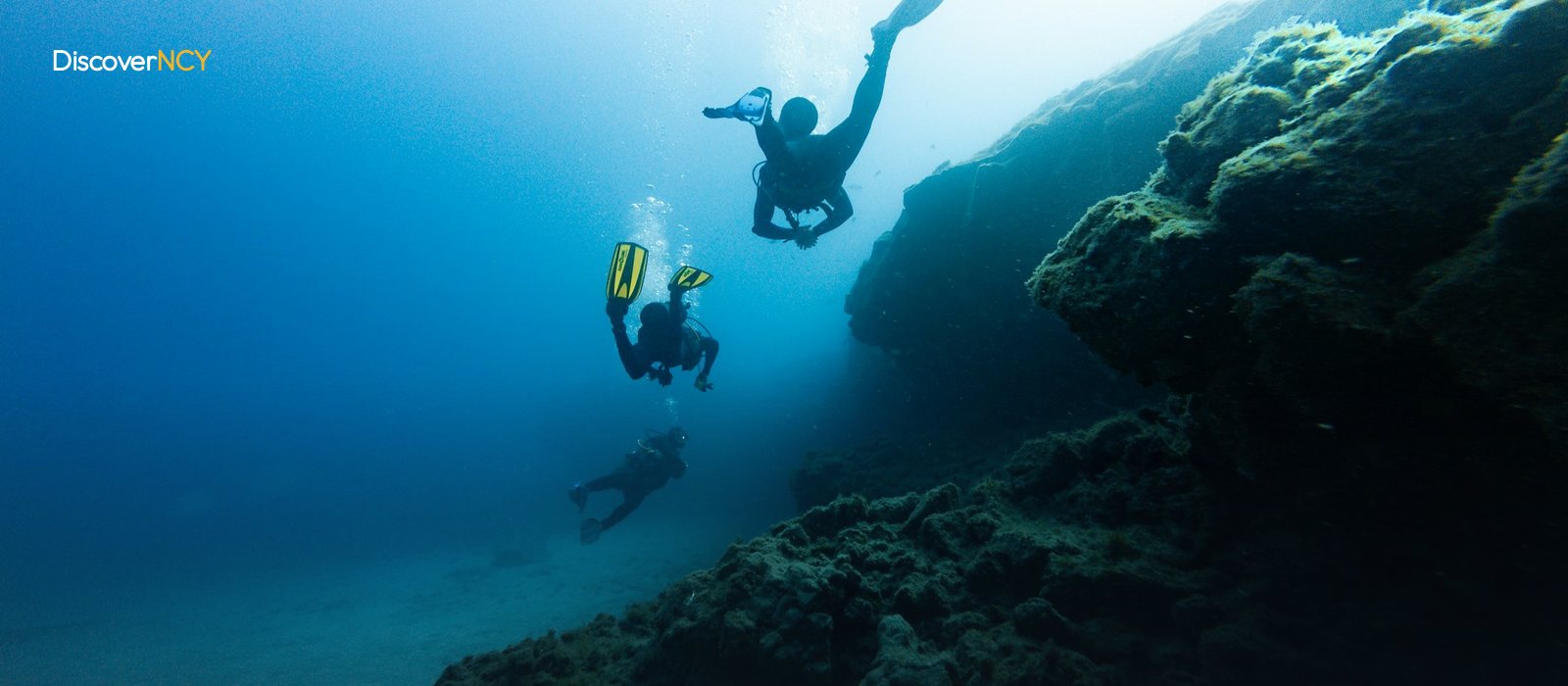
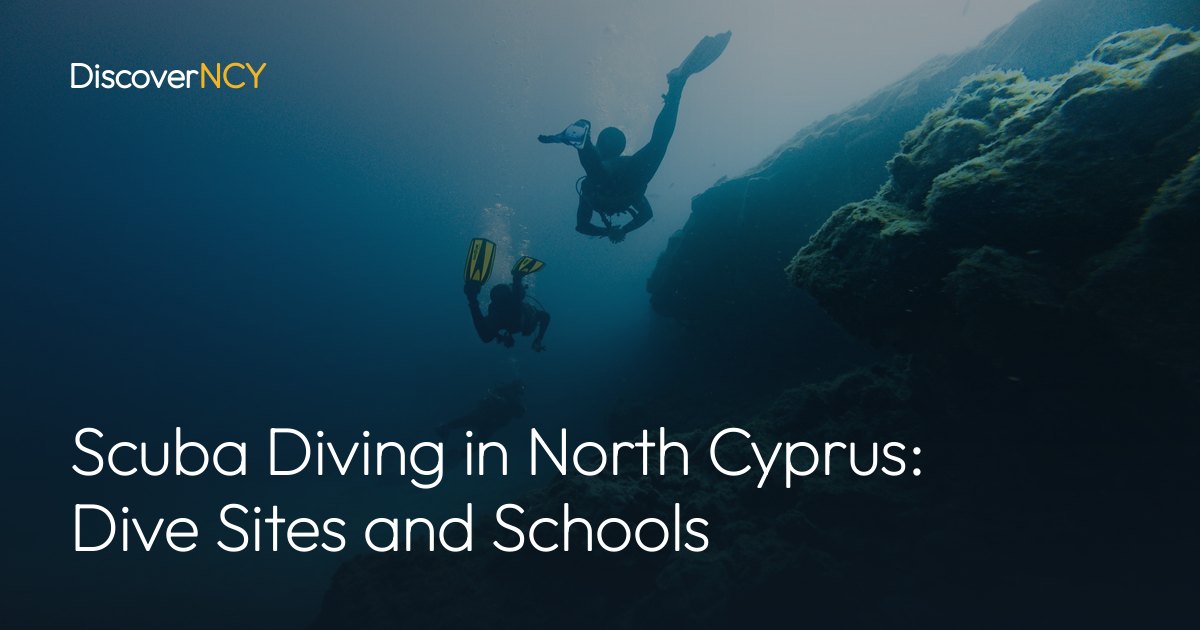
Nearly twenty dive sites are strung along the coast east and west of Kyrenia. Since most are reached by boat from the harbour in about twenty minutes, anyone setting aside half a day spends most of it underwater, and travel time takes up only a small part of the plan. In the lists we compiled, the real distinction lies not in distance but in the character of the sites themselves. Which one suits whom? Shallow, calm reefs sit at one end of the list; caves, sheer walls and wrecks at the other, which means the same stretch of coast can produce separate programmes for someone doing their first session and for a diver used to going down to the bottom. On the Karpaz Peninsula side you will find a separate cluster: Secret Rock, Deep Cave, The Arch, Karpaz Shipwreck, St Andrews Reef and Great Canyon all line up in the same area. One of the largest sea turtle colonies in the Mediterranean is also found on that peninsula.
From Zephyros to HMS Cricket
In the Cyprus dive lists we examined, the most frequently mentioned name on the reef side is Zephyros. This series of large boulders, canyons and the occasional overhang stretches north and west of Kyrenia, and the reef lies between 20 and 32 metres. Parrotfish, damselfish, rainbow wrasse, octopus, moray eels and groupers are often seen here. The Wall is right next door. Dropping away in a sheer descent, this site is known mostly for its visibility; in summer you can see bonito and tuna passing through, while scorpionfish are there year-round. For those wanting to go deeper, there is Paradise, where the reef starts at 24 metres and drops beyond 40, with striped groupers and moray eels and the occasional sea turtle. Freds, close to Kyrenia harbour, is known for its own grouper population.
On the wreck side, North Cyprus has two main addresses. HMS Cricket is a British gunboat that survived the Second World War, sank in a storm in 1947 and settled on the seabed upside down, hull facing upwards. Because the bottom is muddy, it is considered challenging and is a job for experienced divers. Then there is the Wellington bomber that came down in the sea east of Kyrenia, near the power station; it is heavily broken up, and the wreckage is spread over an area of roughly three hundred metres on the seabed. You will notice the difference underwater straight away: at one you circle a hull that is still in one piece, at the other you trace the pieces scattered across the bottom.
Let us say this up front: the ancient shipwreck displayed in the museum at Kyrenia Castle is not a dive site but an artefact raised from the sea. The Zenobia wreck is in the South, and you cannot cross to that side from the TRNC with a Turkish ID card. Both names come up often in promotional texts, so when they appear in a list of sites you need to set them apart from the rest.
Three Things to Ask When Choosing a School
The first thing to ask when writing to dive schools in Cyprus is accreditation; the centres in Kyrenia generally work with PADI or BSAC. Amphora Scuba Diving Center on the Kervansaray shore holds PADI five-star centre status, offers both PADI and BSAC courses, runs boats to more than twenty sites and organises dive safaris along the coast. North Cyprus British Scuba Centre has been operating since 1993, and its owner Cengiz is presented as the first and only PADI Course Director in North Cyprus, meaning the highest rank with the authority to train instructors belongs here. Accreditation alone is not enough. The second question is group size, or more precisely how many divers fall to one instructor. The third is which site you will go to, because several centres can go to the same site and nobody has a monopoly there; moreover, since no page clearly tells you which centre pairs with which site, you need to pin down the route by phone before booking.
The Season Is Year-Round, the Ideal Window Narrow
You have asked all three questions; next comes the calendar. Diving in North Cyprus goes on all year, but conditions are not the same all year. The annual average sea temperature in Kyrenia is about 22.6 degrees, and because it climbs to the 27-29 degree band in the summer months, June to August is the most comfortable period; a wetsuit is not compulsory in those months. Those who want one still wear it. The spring average, by contrast, stays at 19.1 degrees, while autumn rises to 25.9. Winter calls for a different calculation, because in February the water drops to around 16.5 degrees and you do not go in without a 3 to 7 millimetre suit. Most centres rent out this thick suit. The waters are clear and visibility is considered good, but we recommend caution with promotional texts that put a figure in metres on visibility. You build your calendar around the water temperature, not the weather.
Why Nobody Puts the Price on the Page
When we scanned the dive centres in North Cyprus, we found that most do not publish a price list on their own websites. It is certain that they work on a paid, reservation-only basis; the figure, as of September 2026, varies by centre, programme and number of people. If the price is unknown, what do you build the budget on? Equipment rental, boat and instructor time are set aside as fixed items, because in a day of diving in Cyprus the bulk of the money goes on boat and instructor time, and the equipment item is small beside it. The rest moves with the date. Since a reservation is compulsory anyway, the figure is settled in that conversation.
| Field | Value |
|---|---|
| Area | Around Kyrenia and the Karpaz Peninsula |
| Number of sites | Close to twenty in total east and west of Kyrenia |
| Boat ride | About 20 minutes from the harbour |
| Reef sites | Zephyros (20-32 m), The Wall, Paradise (24-43 m), Freds |
| Wrecks | HMS Cricket (~27 m, lying upside down, 1947), Wellington bomber (cockpit at over 20 m, wreckage scattered over an area of ~300 m) |
| Karpaz sites | Secret Rock, Deep Cave, The Arch, Karpaz Shipwreck, St Andrews Reef, Great Canyon |
| Certification | PADI and BSAC widespread |
| Try dive | Discover Scuba Diving, minimum age 10, no certificate needed, medical questionnaire required |
| Children's programme | Bubblemaker-type intro session for ages 8 and up |
| Example centres | Amphora Scuba Diving Center (Kervansaray beach, PADI 5 Star), North Cyprus British Scuba Centre (since 1993) |
| Season | Year-round, best June-August |
| Water temperature | Summer 27-29 °C, winter 16.5-18.3 °C, annual average ~22.6 °C |
| Wetsuit | Optional in summer, 3-7 mm in winter |
| Price | Not published; paid and by reservation, subject to change as of September 2026 |
If you would rather stay above the surface, there is our Kyrenia boat tours article; you can follow month-by-month sea temperatures on the North Cyprus sea temperature page, and find options beyond diving in our things to do in North Cyprus guide.