Karpaz Peninsula Guide: Golden Beaches and Wild Donkeys
The list of places to see on the Karpaz Peninsula is usually associated with a one-day safari tour. We've described that tour's route in our things to do in North Cyprus guide. But the peninsula's true character is different: this is a place you explore by staying. From Kyrenia to Dipkarpaz it's 123 kilometres, joining the main Karpaz road via Famagusta. The drive takes two hours twenty minutes. On the map it looks like a thin finger of the island stretching east: eighty kilometres long, never more than fifteen wide. Its villages are sparsely populated, its nights silent, and by day the road is shared with wild donkeys.
The Villages: A Mixed Fabric and a Slow Life
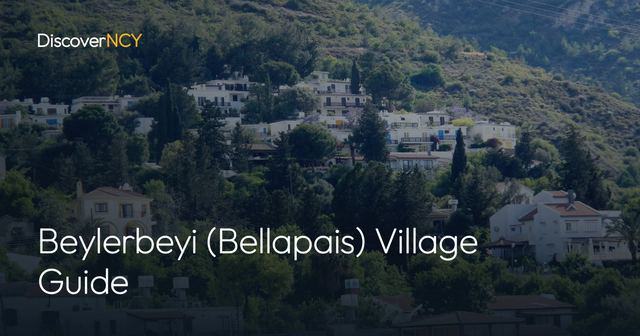
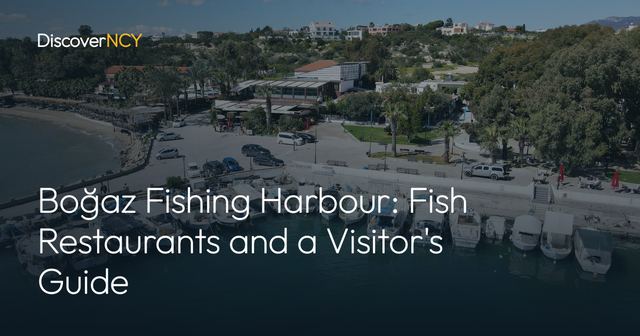
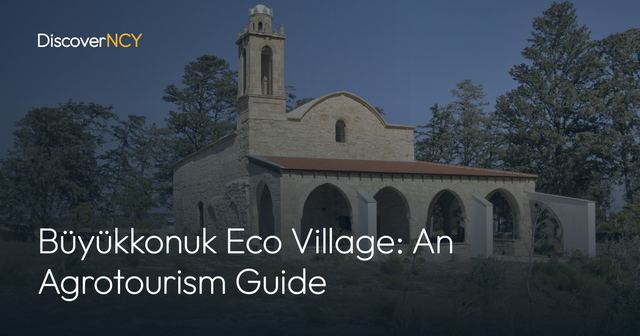
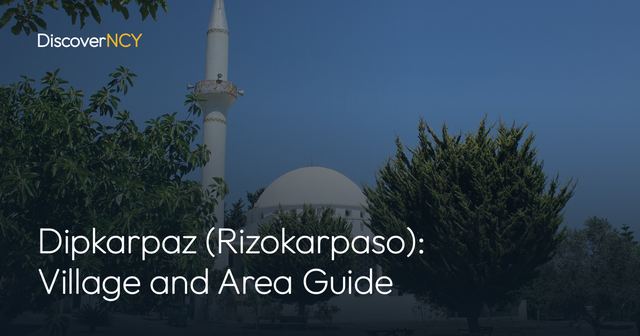
What builds the region's identity isn't the beaches — it's the villages. The peninsula's largest settlement is Dipkarpaz. The church of Ayios Synesios stands on the village square; alongside the Turkish Cypriots, a small Greek Orthodox community still lives here. The village's Greek primary school remains open to this day. Yenierenköy was founded on a different story: Turkish Cypriots who migrated from the Erenköy (Kokkina) area in 1976 settled in the village formerly called Yialousa, and today's name comes from that migration. This is the peninsula's second hub. The municipality's name has changed too: the old "Yenierenköy Municipality" is now Erenköy Karpaz Municipality, serving fourteen villages at once. The TRNC (North Cyprus)'s pioneering eco-village is Büyükkonuk. Traditional crafts have become part of tourism here; on certain days of the year the village square fills with Eco-Day events. Grapes, meanwhile, are Mehmetçik's business. Its winegrowing identity was founded on vine cuttings brought from Limassol; the grape festival has now been held for the sixty-fourth time. Kumyalı is a small fishing village. Its shelter had been used since the 1930s for loading olives and carob. The boats are still there today.
The National Park and the Wild Donkeys
The area stretching from Dipkarpaz to Cape Zafer gained national park boundaries in 2004, and the same zone also holds special environmental protection status. That status has kept intensive construction out. Which is why the peninsula is empty. Meeting wild donkeys in the middle of the road is only a matter of time — sometimes they stick their heads right through the car window. How many donkeys are there? Nobody knows exactly; counts swing between hundreds and thousands depending on the year. The Karpaz Conservation Association proposes a safe-haven project for the animals. This isn't just a touristic detail. Cultivated land gets damaged, and traffic accidents happen too. Feeding them makes the risk worse.
Golden Beach, the Monastery and Cape Zafer
At the peninsula's tip, Altınkum (Golden Beach) and the Apostolos Andreas Monastery sit side by side. Beyond the two, the road ends at Cape Zafer. We've covered Golden Beach and its turtle nests (Caretta caretta, Chelonia mydas) in our North Cyprus beaches guide; between May and October, fires, lights and noise are banned on the beach at night. Nor is Golden Beach the only nesting ground. The three-kilometre Ronnas bay on the edge of Dipkarpaz is considered one of the Mediterranean's most important green turtle nesting beaches. With no resort feeding the beach, the crowds come and go with the season. The Apostolos Andreas Monastery is a revered pilgrimage site in the Greek Orthodox faith. The legend of its spring water is tied to St. Andrew. The chapel dates from the 15th century. The present church is dated 1867, and the building underwent a comprehensive restoration in the 2010s. After the monastery, the road stops being asphalt. The island's easternmost point is Cape Zafer. The rocky islets offshore are called the Zafer Islands.
How Staying Here Works
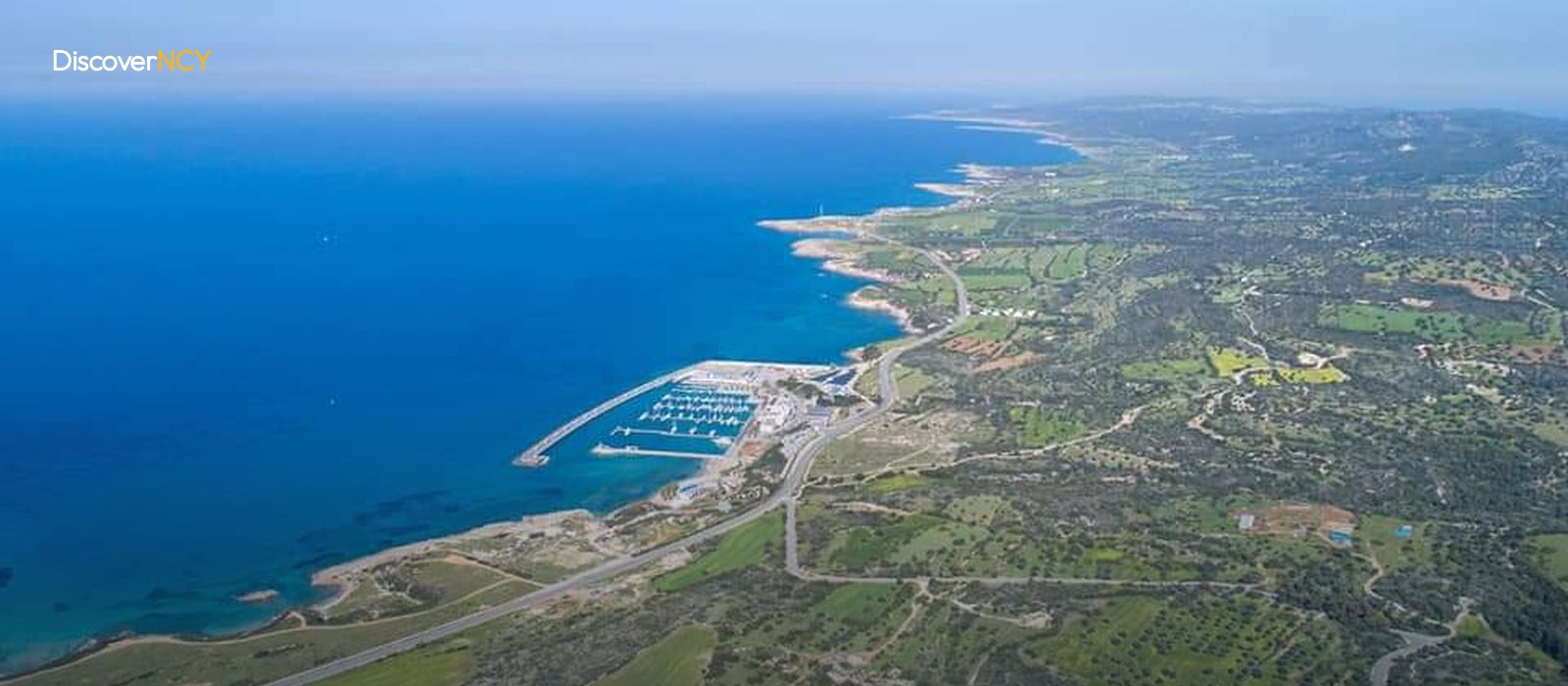
Where to stay on the Karpaz needs as much planning as what to see. The hotel search here leads not to big resorts but to the scale of stone houses and bungalows. Oasis at Ayfilon is a property of just ten rooms above the ancient Roman harbour right beside the church of Ayios Philon. It takes its name from that church. Karpaz Arch Houses opened in 2002 with the restoration of five stone houses. Their arched ceilings and stone walls have been preserved intact. The single exception stands on the coast: Karpaz Gate Marina, the TRNC (North Cyprus)'s first international-standard marina. It berths three hundred boats and accepts superyachts up to 55 metres — the largest single investment in the region. The properties' total capacity is about one floor of a mid-sized hotel. Book July and August weekends weeks in advance; the odds of walking in and finding a room are low.
What to Watch for on the Road
A tour of the Karpaz's sights begins with filling the tank. The last reliable pumps are in Yenierenköy and Dipkarpaz; beyond that it's down to luck. The peninsula is narrow — a quarter of an hour between the two coasts. If the north side is catching the wind, cross to the south; you can change seas within the same day. Can it be done by bus? There are one or two services a day to Dipkarpaz, and none beyond it. Shops and restaurants are sparse. Most meals come out of the accommodation kitchens. Carry cash — most village grocers don't take cards. Sort out dinner before you set off; don't assume you'll find it there.
Local Flavours and the Table
The region's table is fed by the sea and the vineyard. Kumyalı's small restaurants serve the day's fish with meze, and the tables fill up fast towards evening. Halloumi is a cheese made from goat's and sheep's milk. Grilled or raw — both are common. Carob, once the peninsula's export staple, is today sold in village markets as molasses and syrup. Mehmetçik's grapes come to the table as fresh fruit, and tasting stands go up during festival week. Dipkarpaz's farming identity shows on the table too. Olives and olive oil come from here. Years ago, silkworm rearing and tobacco were practised as well; those crafts now survive only in memory.
The Karpaz by Season
The liveliest period — for many the best time to visit North Cyprus — is spring. Wildflowers bloom in March and April; the endemic Tulipa cypria can be seen only in these weeks. Summer is hot and shadeless — water and sunscreen are essential. In September and October the roads empty. The heat has broken, but the properties are still open. In winter the villages grow truly quiet and a few places close; don't set out for one that's open without calling ahead. The drive back to Kyrenia again tops two hours — close to five hours round trip. The Karpaz's sights lie at the end of that road, and squeezed into a single day, you end up watching the peninsula through the window. Set aside at least two nights.