The money for a small souvenir you buy from a stall in the Arasta follows a longer road than you might think once it leaves the till in the Walled City of Nicosia. In Ottoman-era Cyprus, stretching from 1570, when the conquest began, to 1878, the name of that road was the vakıf (pious foundation). The shop’s rent was distributed to the mosque, the madrasa, fountain repairs and charity. A January 2026 publication of the Cyprus Pious Foundations Administration (Kıbrıs Vakıflar İdaresi) sums up this long-standing order in a single sentence: “Every shop is not just a point of sale but a link in the foundation chain”. The han, the hamam and the row of shops were set up as separate links in that chain, and the common job of them all was to generate money...
What Did a Foundation Live On?
The chain begins with a donation. According to the sources, the Mevlevi Tekke in Nicosia expanded with land donated by a lady named Emine Hatun. In the 1599 endowment deed of the Ağa Cafer Pasha Mosque in Kyrenia, the properties attached to the mosque are listed one by one: farm, garden, field, olive grove, house, storehouse and stable. This list is less an inventory of wealth than the mosque’s plan for making a living. Once a property was endowed, its income was tied to a charitable work. As long as the work stood, the income flowed.
One of the income-generating buildings entered in the foundation records is the hamam. According to Enes Kavalçalan, the Lala Mustafa Pasha Foundation alone had six hamams, four of them in Nicosia and the rest in Famagusta, and only two of them have survived to the present day. In the same foundation’s inventory dated 11 May 1579, drawn up not even ten years after the conquest, the line “a hamam attached to a mosque converted from a church” appears. The researcher matches that line with the Büyük Hamam. The record we have treats this as an inference.
The Hamam’s Back Line
What heated the hot section? According to the plan drawn up by Kavalçalan, the water tank and the furnace stand at the back of the building, and a “control window” was opened between the two sections. The source of the heat lies along a line invisible from outside, while the function of the window is the researcher’s inference. Of the two iwans on the north wall of the changing room, one is, according to the researcher, “the place where the hamam keeper collected the fee”, that is, the foundation’s till.
The date of the building’s conversion into a hamam does not come down to a single year. Instead, the sources point to a range that appears broad, between 1571 and 1590. Nevertheless, what entered the ledger is the regular flow of rent. The hamam reopened in 2024 and today serves as a business under the management of the Cyprus Pious Foundations Administration (Evkaf).
Rent in the Han, Price Ceilings in the Bazaar
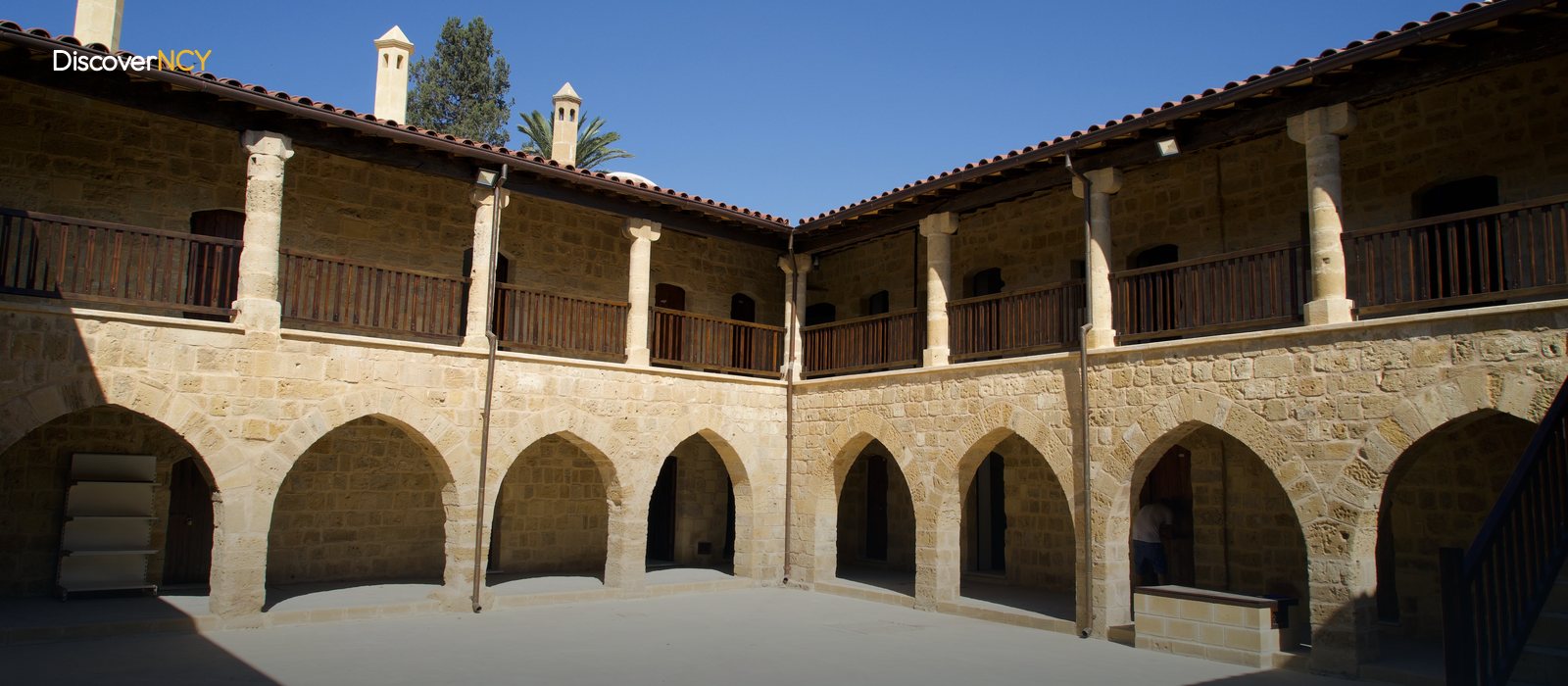
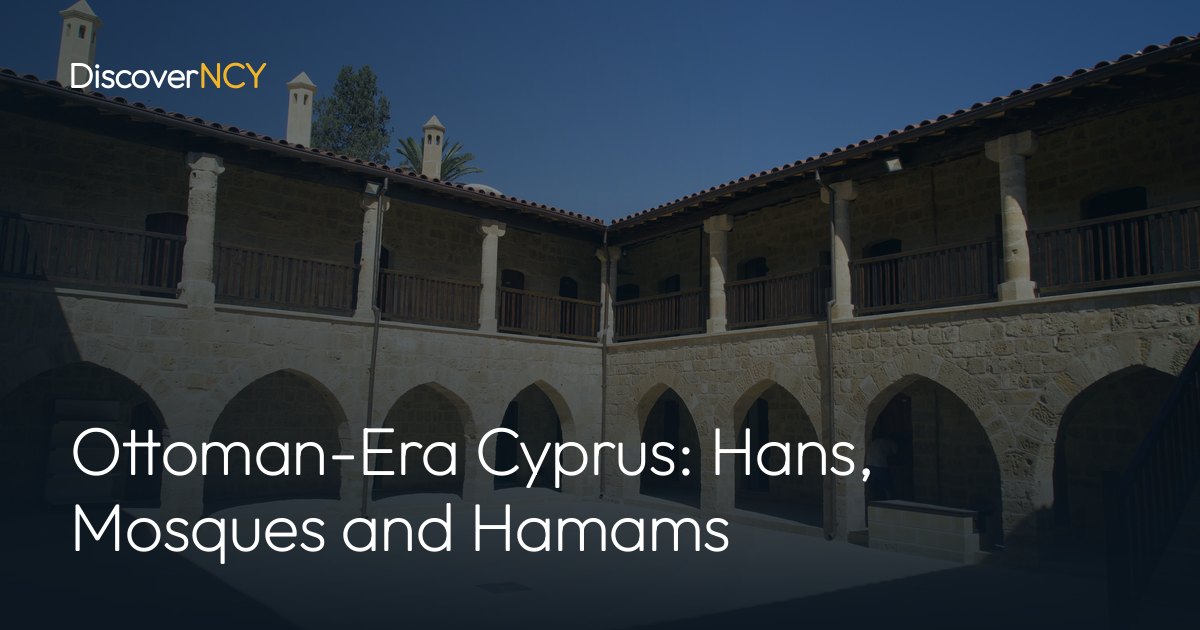
While the hamam’s collection point was the iwan in the changing room, in the han the business was bound by contract. We could not find the han’s Ottoman foundation. Today’s arrangement, however, is on record. According to the sources, Evkaf sets its tenants in the Büyük Han a condition that sounds odd at first hearing: “make what you sell”. Since buying from outside and lining it up on the shelf is considered a breach of contract, most tenants sell what they produce themselves. Who checks the condition? It is again Evkaf that monitors compliance and warns the tenant in case of a breach. You can look for traces of this condition on the stalls.
In the bazaar, supervision was older. In Ottoman-era Cyprus, according to the Nicosia sharia court registers, about a hundred guilds operated, bakers were closely monitored through narh (price ceiling) records, and while the groups controlled prices among themselves, a muhtesib was needed as an outside inspector. What is more, since the muhtesib himself collected the ihtisab tax, supervision was at the same time an item of income. The Bazaar Council (Çarşı Meclisi), established in Nicosia by 1862, is regarded as the beginning of modern municipal government.
The House Outside the Chain
The mansion in Arabahmet did not join the chain. The income of Hacı Ahmet Derviş Efendi, who had the building built, came from extensive lands outside the walls, and the house remained in the family’s own use without being tied to a charitable work; no foundation record for the mansion turned up either. Not every Ottoman building is a foundation building. When ownership stayed private, the income also circulated within the household. If you want to see the difference on site, look at the two separate entrances set aside for the selamlık and the harem. The house, dating from the early 19th century, became a museum in 1988 and still operates as one today.
Who Holds the Order Today
The foundation properties left from Ottoman-era Cyprus are today with the Cyprus Pious Foundations Administration. The administration became a government department under British rule in 1928, and in 1956 the foundations were handed over to the Turkish Cypriot community. At the general directorate in Nicosia, restoration, leasing and a cultural programme run at the same time. Meanwhile, while the restoration of Selimiye was completed on 8 May 2025, the Lala Mustafa Pasha Mosque in Famagusta has been closed since April 2026 because of a restoration carried out jointly by two foundation administrations. Under the institution’s leadership, an “Ahi Order Workshop in Cyprus” was held at the Bedesten in Nicosia, meaning the ethical side of the foundation is still being discussed. You can follow this continuity in Evkaf’s own publications.
| Building | Place in the Ottoman order | Foundation link | Status in 2026 |
|---|---|---|---|
| Büyük Han | Trade on the ground floor, lodging on the upper floor | Not found | Evkaf property, free entry, not on the Department of Antiquities and Museums (EEMD) list |
| Büyük Hamam | Income building let for rent | Lala Mustafa Pasha Foundation | Reopened in 2024, commercial business |
| Arasta | Tradesmen’s row of shops | Planned within the foundation system, according to Evkaf | Pedestrian bazaar, shops keep their own hours |
| Dervis Pasha Mansion | Residence of a wealthy family | Not found | EEMD museum, summer hours (until 31 October 2026) weekdays 08.00-15.30, last entry 15.00 |
| Mevlevi Tekke Museum | Tekke that grew with donated land | Its management passed to Evkaf in 1956 | EEMD museum, summer hours (until 31 October 2026) weekdays 08.00-15.30, last entry 15.00 |
When you go out sightseeing, you can see only part of this order from the inside. In the table we have prepared for you, which link each building occupies and what kind of door you will face in 2026 sit side by side. The hamam’s hours differ in the sources we reviewed. We recommend phoning the business before you reach the door. The shop rent, meanwhile, still goes into the same chain...
We described the hamam’s present-day business in our Büyük Hamam Nicosia article and the house in Arabahmet in our Dervis Pasha Mansion Nicosia article; for the row of shops see our Arasta Bazaar Nicosia article.