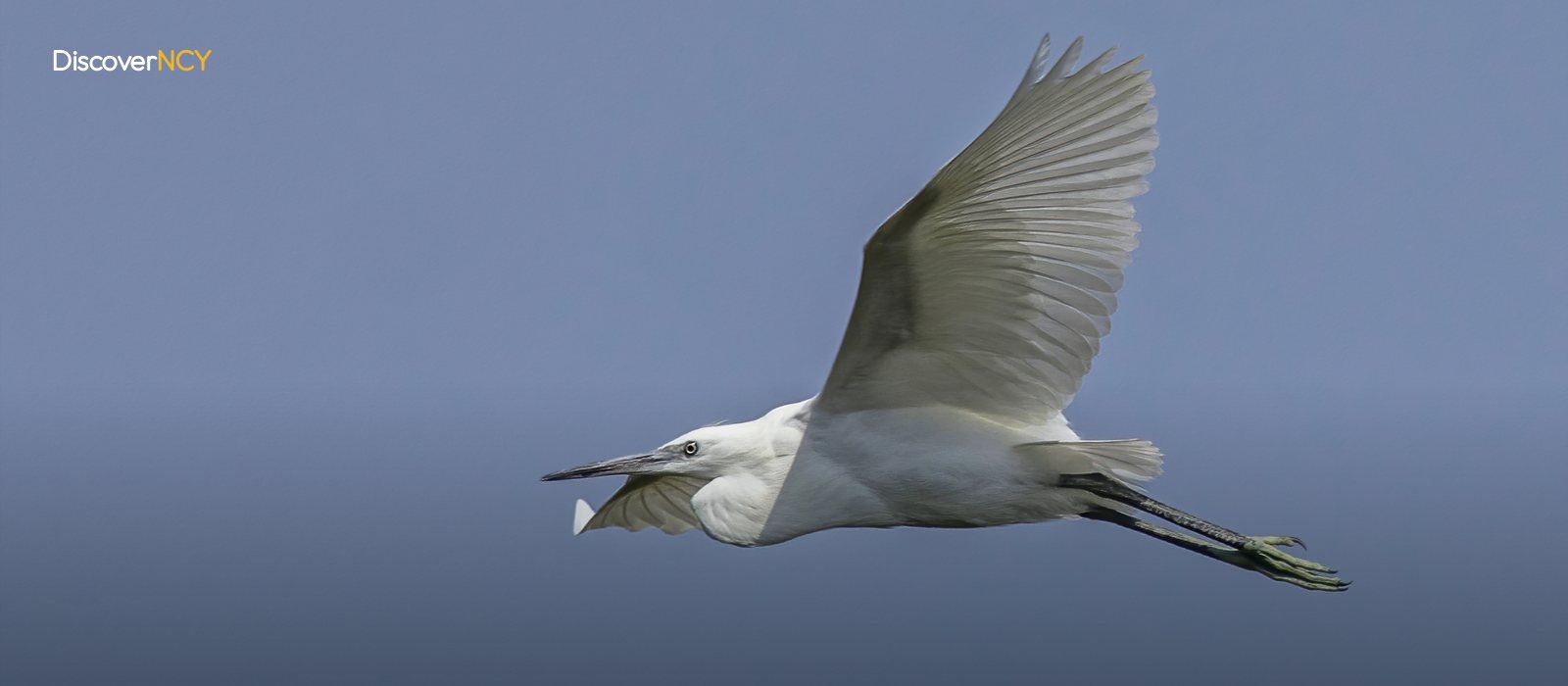
From Cape Apostolos Andreas (Zafer Burnu) it is 109 kilometres to the Syrian coast. Because flocks flying between Africa, Asia and Eastern Europe head for this narrowing tip, birdwatching in Cyprus is tied directly to the migration calendar. While the 2014 inventory of “BirdLife Cyprus” counts around 400 species on the island, we observed that millions of birds make it a stopover in spring and autumn. In the north, six sites are marked as an “Important Bird Area”. The first movement begins in mid-February, and in those weeks the island’s own owl starts calling again...
The Party That Marked the Six Areas Is Not a Government Department
The naming is done by civil society organisations. The “Important Bird Area” list comes from BirdLife International’s programme; the island inventory was prepared by BirdLife Cyprus, and the fieldwork in the north was carried out jointly with KUŞKOR. Six areas from the north are on the list: the Kyrenia Mountains (Beşparmak), the Koruçam (Kormakitis) Peninsula, the “Kleides (Zafer) Islands” and Karpaz Peninsula, the Mesaoria Plain, the Famagusta Lakes and the treatment ponds in Nicosia. “Beşparmak” and “Karpaz” have been on the list since 1989, while the other four were added in 2014. However, in the inventory the official protection status entry for these six areas is blank, meaning that being on the list does not on its own provide legal protection. Moreover, let us note that the last two sites are not sightseeing stops: the Famagusta Lakes are a wetland complex under pressure and the Nicosia ponds are a treatment facility.
One of the Three Endemic Species Was Recognised as a Species After 2014
The old number has changed. While the 2014 book lists two breeding species unique to the island, the BirdLife Cyprus website raises this to three, and the difference comes from the owl. The book counts it as a subspecies, Otus scops cyprius, whereas the current list gives it as a full species under the name Otus cyprius, and KUŞKOR’s record writes that ringing findings contributed to this recognition. The other two are “Oenanthe cypriaca”, known as the “Cyprus Wheatear”, and the Cyprus warbler. The sources write the warbler as Sylvia melanothorax and count it as partly migratory, while stating that most individuals stay on the island all year. The owl is hard to see in winter. According to the record we scanned, its call starts to be heard between mid and late February, so you can look for it at the end of winter.
Migration Months Are Given at Island Scale
So is it possible to set up a month-by-month observation programme? The calendar in our research is written at island scale; the 2014 guide section puts spring passage from mid-March to mid-May. It places autumn migration from late July to early or mid-October, and also says that Oenanthe cypriaca arrives at the end of March and leaves in mid-October. We could not find a source that gives month and site together, so for birdwatching in Cyprus we place the two ends side by side with separate citations: the calendar end rests on the guide section, the site end on the area pages. You can make the match yourself by looking at both in the table...
Which Birds Gather at the Tip of Karpaz?
The record that calls the tip of Karpaz a “migration hotspot” is a community guide dated 2022. The 109 kilometres has two sources, while the bird numbers come from a single book. The same guide marks spring as the most productive season and writes that waterbirds such as “Plegadis falcinellus” and “Vanellus spinosus” move from the Famagusta wetlands along the east coast towards the cape. The spring raptor list includes Circus macrourus, Pernis apivorus and Falco vespertinus. The inventory gives the Kleides (Zafer) Islands as the only Larus audouinii breeding site on the island and the Famagusta Lakes as the only known breeding site for Plegadis falcinellus, and all these data are based on the 2014 count.
Access rules are unclear. We found no announced entry rule for the cape, the lakes or the ridge in the north. Our advice is to ask the official authority about the rule and also read the signs on site. The 2022 guide shows no observation tower, but you can see that there is a circular trail, that the last part of the road remains unpaved and that no public transport goes to the area.
The Hunting Law Recognises Three Seasons
When choosing the day you go out into the field for birdwatching in Cyprus, check the official hunting calendar. The text regulating hunting is the “Law Regulating Hunting and Hunting-Related Wildlife” (Av ve Avla İlgili Yaban Hayatını Düzenleme Yasası), and its latest consolidated form is dated 26 March 2026. Article four recognises three seasons: the Big Game Season runs from 15 October to 10 January, the First Small Game Season from 1 January to 1 March, and the Second Small Game Season from 1 to 30 September. The law changed in 2026. The First Small Game Season has been extended to 16 March until 2029.
Do these windows overlap with the observation months? The September season coincides with autumn passage, January to March with the beginning of spring, and the Big Game Season with late autumn and winter. Hunting days are announced every year in the Official Gazette by Council of Ministers Regulation. That said, article twelve closes every method to birds other than the permitted species. Lime sticks, nets, traps and sound recordings are prohibited under all circumstances. Collecting bird eggs is prohibited except for crows and magpies.
Ringing Records Were Opened in 2001
When the association called “KUŞKOR” and British ringers opened the ringing record in the north for birdwatching in Cyprus in 2001, the work began to run according to British rules; EURING membership was obtained in 2015, and according to the same undated record more than 6,500 birds of 132 species have been ringed to date. The programme receives no external funding. While the association’s page announces a petition saying “stop turtle dove hunting”, more than 55 species were seen at the bird camp organised with OSME support in 2022. Follow events through the association.
| Area (the rows do not match the six “Important Bird Area” list one to one) | Species or fact recorded in that area (site end) | Island-scale period or dated record (calendar end) |
|---|---|---|
| Kyrenia Mountains (Beşparmak) | Cyprus warbler (Sylvia melanothorax) 10,000-15,000 pairs, Oenanthe cypriaca 2,500-5,000 pairs (BirdLife inventory, 2014) | warbler mostly resident, Oenanthe cypriaca from late March to mid-October (BirdLife guide, 2014) |
| Karpaz Peninsula | Coracias garrulus 250-1,000 individuals on migration, 30-120 breeding pairs (BirdLife inventory, 2014) | Coracias garrulus passage in April, breeding in summer months (BirdLife guide, 2014) |
| Kleides (Zafer) Islands | Larus audouinii 15-28 pairs (BirdLife inventory, 2014) | June, seven chicks ringed in 2017 (KUŞKOR record) |
| Koruçam (Kormakitis) Peninsula | Egretta garzetta 400-800 individuals on migration (BirdLife inventory, 2014) | autumn passage on the island opens in late July to early August (BirdLife guide, 2014) |
| Famagusta Lakes (wetland under pressure) | Plegadis falcinellus 10-20 pairs, first nest 2011 (BirdLife inventory, 2014) | spring, waterbird movement starts here (community guide, 2022) |
| Treatment ponds around Nicosia (not a sightseeing stop) | Oxyura leucocephala 1-2 individuals in winter (BirdLife inventory, 2014) | winter months, about 90 species winter on the island (BirdLife guide, 2014) |
To explore around the cape in migration season, see our Karpaz Peninsula travel guide; if you want to watch birds while walking along the ridge, see our guide to Kyrenia Mountains hiking trails in North Cyprus.