Mehmetçik Village and the Wine Festival
📍 Mehmetçik, Iskele
Another of our villages: Mehmetçik. Mehmet Hasan Tayyareci, who flew with the British Royal Air Force in the Second World War, brought vine cuttings from the Limassol district to his village on the Karpaz road in the 1970s. Mehmetçik's bond with the grape, and the Mehmetçik wine festival held every August, are the continuation of the work that began with those cuttings. His surname, in fact, dates from those flying years. The official name of the celebration says grape rather than wine, and the programme is built within that frame. Anyone who sets out in August will therefore find not a production facility with a sign on its door but a village programme built around the grape itself. Let's say it from the start: Mehmetçik in festival week and Mehmetçik in the remaining months of the year do not count as the same place.
The Vine Cuttings Came from Limassol
Tayyareci was born in this village in 1918 and died in 1982. Because he served as a pilot during the war years, he is said to have continued working at the British bases on the island after 1948, and according to the sources he never cut his ties with the village. He brought the vine cuttings by working with the growers of the villages of Anoyira and Evdim in the Limassol district. Every weekend he came to the village and watched the vineyards closely, and over time the work spread across the whole village. As the vineyards multiplied, production settled into an order. The zivania still he bought was open to shared use; everyone ran their own grapes through the same machine. From the pomace came zivania, and vinegar too. What was established here is not really a simple brand but a village habit. From those years on the village came to be known as the "land of grapes".

The Programme Opens with a Parade and Runs for Six Days
The official name of the celebration is the "64th Traditional Mehmetçik Grape Festival", and in 2026 it settled on 4-9 August. The opening evening starts at 19.00 with a parade, and the ceremony is held at 20.30 at the Mehmetçik Festival Ground. Over six days a Cyprus Night, a folk dance gala night, children's activities and eighties and nineties themed music nights take the stage in turn. On the concert side of 2026 there were Grup Otantik, Murat Çığ and Zeynep Bastık.
The stage does not carry the programme alone. Among the tournaments ranging from a mini duathlon to volleyball there is an international wrestling tournament, with athletes from Turkey and Kosovo taking part. The traditional "From Vineyard to Table" cooking contest is set up to highlight the grape's place in Cypriot cuisine. Because the programme is kept this broad, you may find more than one event on the same evening, and the choice is yours. All events are free of charge. Mayor Fatma Çimen Tuğlu described the programme as "the meeting point of production, culture and solidarity".
When the Crowd Disperses, the Village Returns to Its Own Pace
Around 1,200 people live in the village in winter, and in the summer months the number rises to 1,800. So where does this difference of six hundred come from? From the diaspora, because before 1974 Mehmetçik was the second most populous Turkish village after Akıncılar and became one of the places that sent the most emigrants to the UK. The population grows in summer, and the shuttered houses open in these months. The figures here are based on 2010 data and show the village's own scale.
The village's old name was Galatia, and its origin rests on a village legend. As the story goes, families who came from the Galata district of Istanbul settled here in the 16th century, and the name stayed from there. The fabric of the streets is still from the old days. Stone houses, arched entrances and the iron-railed outer doors locally called "gancelli" are still in place. The courtyards are kept wide, and the inner corridors are built to stay cool in summer. Even so, families build a modern house next to the old stone one rather than repairing it, and use the old one as a store. Anyone who wants to see the old fabric looks to these streets. The village's calm has also been put on paper: in 2016 it joined the Cittaslow network and became one of the first four slow cities of the TRNC. The Culture and Ethnography House, set up by the villagers themselves, had opened on 27 January 2004.
Madosti Hill and the Stones of the Village Mosque
The village's memory can go much further back than that opening. The village mosque was built between 1882 and 1899 and is counted among the oldest and largest mosques of the Karpaz. Some of its stones were taken from medieval churches, and the construction was completed with communal labour under the lead of the village headman. On Madosti Hill, southwest of the western entrance, stand the remains of a small church and a stone basin left from an old olive oil mill. In the Gopsa area there are the ruins of the Church of Ayia Marina and an old freshwater well, while at Gitça there is a small single-room church next to rock-cut tombs. None of these counts as an organised visitor stop. In other words, anyone looking for a signpost will pass most of them without noticing.
The village's past is older than its stone buildings. A tomb found near Bahçecik in 2003 has been dated to the Late Geometric period, and silver coins from the settlement founded under Ptolemaic rule in the Hellenistic period are today on display at the Cyprus Archaeological Museum.
There Is No Winery Bearing the Village's Name
There is no commercial winery in the village that carries its name; the production heritage has stayed on the axis of zivania, vinegar and table grapes. The boutique brands known in the TRNC are based in other regions. Etel Winery runs a forty-hectare vineyard at Ilgaz near Kyrenia, and Chateau St Hilarion and Angolem Şarap Evi likewise lie outside the village. Othello, the most widespread zivania brand on the island's shelves, is produced in the South and comes to the north as an imported product. So where does the grape appear in Mehmetçik wine festival week? It appears on the stalls set up in the square, where the stands display grapes and traditional grape products together. We don't think it is right to count this picture as a shortcoming, because production here is a habit that has stayed inside the homes and on the shared machine.
Working Out the Road for an August Evening
The village is one of the larger settlements that open onto the Karpaz road after Iskele. No exact kilometre figure is published, so it is safer to do the sums in time. For someone setting out from the Kyrenia side, the Karpaz direction takes over two hours one way, and the round trip approaches five hours. For the evening programme a car is almost essential. The ceremony starts at 20.30 and the concerts end later, so anyone returning to Kyrenia the same night drives most of the way in the dark. There is no accommodation listed by name within the village either, so the overnight plan is built around the nearby centres. If you are going to set out in August for the Mehmetçik wine festival, it is worth calculating your return time from the start.
Coming outside festival week has a reward of its own: when the streets are empty, the fabric of the stone houses is far clearer to see. Whether you want the six days in August or the empty streets also decides your route plan from the outset.
| Field | Value |
|---|---|
| Village name | Mehmetçik, formerly Galateia (Galatya), renamed in 1958 |
| Location | Gateway to the Karpaz Peninsula, Iskele district |
| Coordinates | 35°25′23″N 34°04′15″E |
| Population | About 1,200 in winter, about 1,800 in summer (2010) |
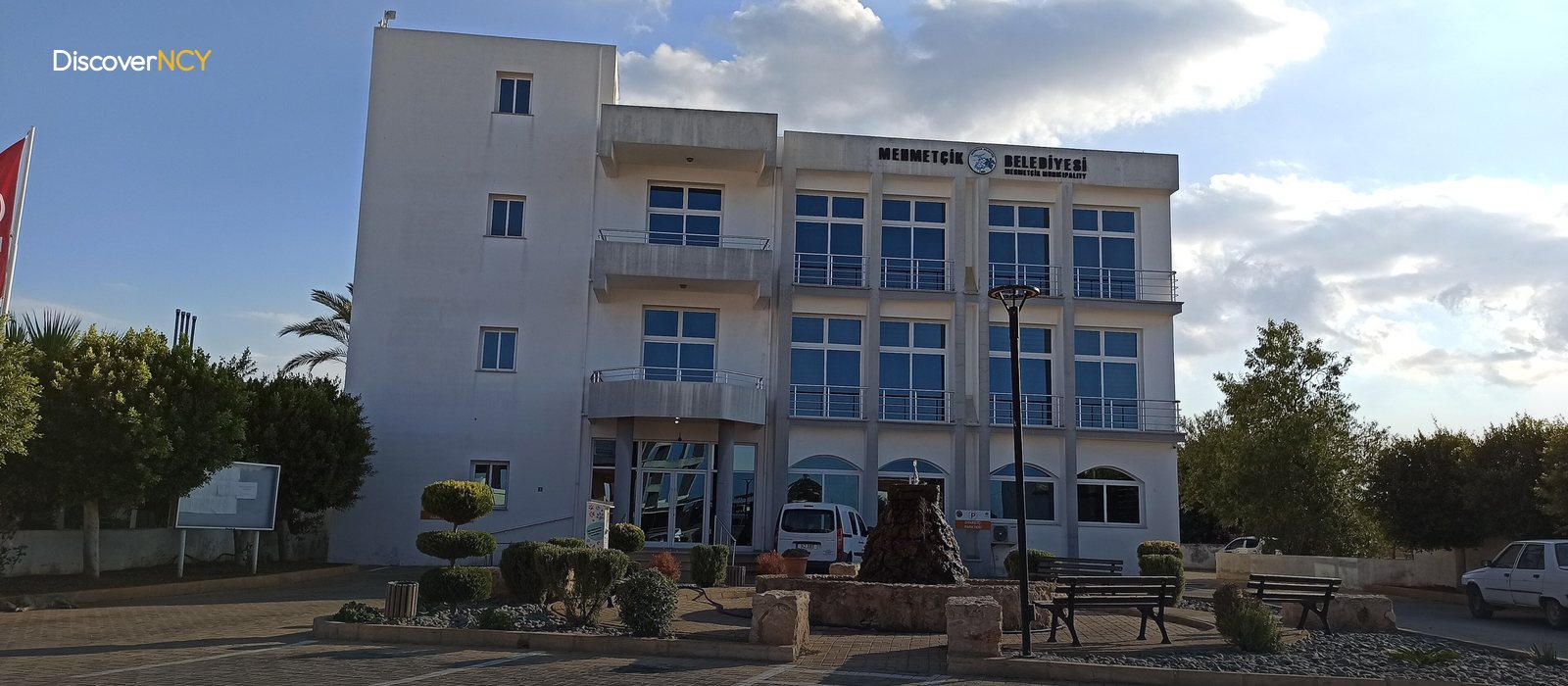
| Municipality | Mehmetçik Büyükkonuk Municipality (2022 merger) |
| Festival name | 64th Traditional Mehmetçik Grape Festival |
| 2026 dates | 4-9 August 2026 |
| Venue | Mehmetçik Festival Grounds |
| Admission | Free |
| Opening night | 19.00 parade, 20.30 opening ceremony |
| 2026 stage line-up | Grup Otantik, Murat Çığ, Zeynep Bastık |
| Sports programme | Mini duathlon, international wrestling tournament, football, volleyball, backgammon |
| Cooking competition | "From the Vineyard to the Table" |
| Pioneer of viticulture | Mehmet Hasan Tayyareci (1918-1982) |
| Historic sites | Mosque of 1882-1899, Madosti Hill, ruins of Gopsa and Gitça |
| Cittaslow | Joined in 2016 |
| Distance | No exact kilometre figure published, on the Karpaz road |
For the eco village next door in the same municipality see our Buyukkonuk eco village page; for the other dates of the year there is the North Cyprus festival calendar, and for the road beyond the village the Karpaz Peninsula guide.